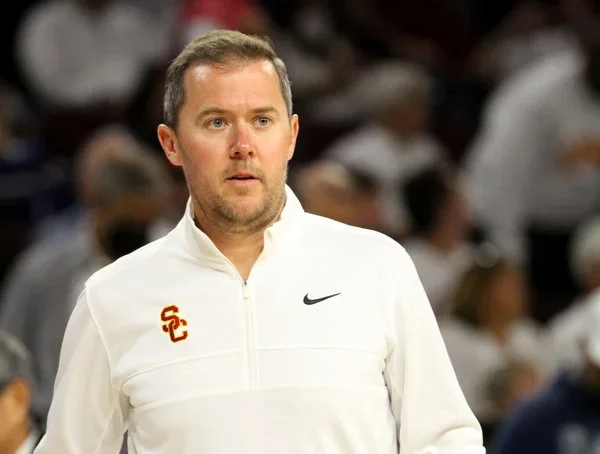

Lincoln Riley arrived at USC with a big reputation and high expectations. Yet after five seasons without a College Football Playoff appearance, the pressure is mounting. Trojans analyst Matt Zemek emphasizes that 2026 is a pivotal year—if USC only qualifies after the playoff field expands, critics may argue that the achievement came too late to hold real meaning.
The overlooked factor Zemek highlights is that 2026 marks the final “prestige” window for the current 12-team College Football Playoff format. Major conferences are pushing for an expansion to 14 or even 24 teams by 2027. Making the playoff now carries elite status; entering through a wider door next season would not command the same respect. Former Tennessee head coach Phillip Fulmer agrees, stating, “I don’t know what they’re going to do. Everyone is pretty set on 16 teams in expansion, which is fine. But if you go to 24, you might as well invite everyone because you’re nearly taking the entire top 25. That wouldn’t improve the postseason.” In short, Fulmer believes a 16-team field keeps qualifying difficult and preserves regular-season stakes, while a 24-team format would dilute competition and make postseason appearances routine.
USC must avoid being viewed as a team that only reached the playoff because the committee lowered the bar. If Riley waits until the rules make entry easier, the victory loses its luster. Earning a spot now—under the toughest conditions—is the only way to silence doubters permanently.

Zemek argues that critics will simply claim USC snuck in because the “standards were dropped” for mediocre teams, rather than Riley building a powerhouse capable of competing with elite top-10 programs. There is cynicism in the South about Riley’s diminishing returns while earning a top-tier coaching salary. Riley makes roughly $11.5 million per year, and by 2026 USC will have invested over $50 million in him personally, not to mention millions for assistants and support staff. To avoid the “overpaid” label, Riley must justify the return by reaching the 12-team playoff before the postseason becomes a participation trophy for three- or four-loss teams in major conferences.

Now entering Year 5, Riley will have a roster entirely composed of his recruits, including the legendary 2026 class currently ranked No. 1 nationally. The team returns 17 starters—the most in the Big Ten—accounting for 56% of snaps from 2025. All five starting offensive linemen return, a unit that allowed only 15 sacks last season (12th-fewest in the nation). Analysts also believe redshirt senior Jayden Maiava will reach his peak. Additionally, Riley has revamped his staff by hiring defensive mastermind Gary Patterson, one of the game’s top minds.